Rising Prices and Tariff Refunds: Why Holiday Shoppers Are Scrutinizing Build Quality
October 2026 retail sales cooled across discretionary durable goods like apparel and homeware—just as public debate heated up over billions in corporate tariff refunds and ongoing price hikes. Here is how budget-conscious buyers are focusing on goods built to last.
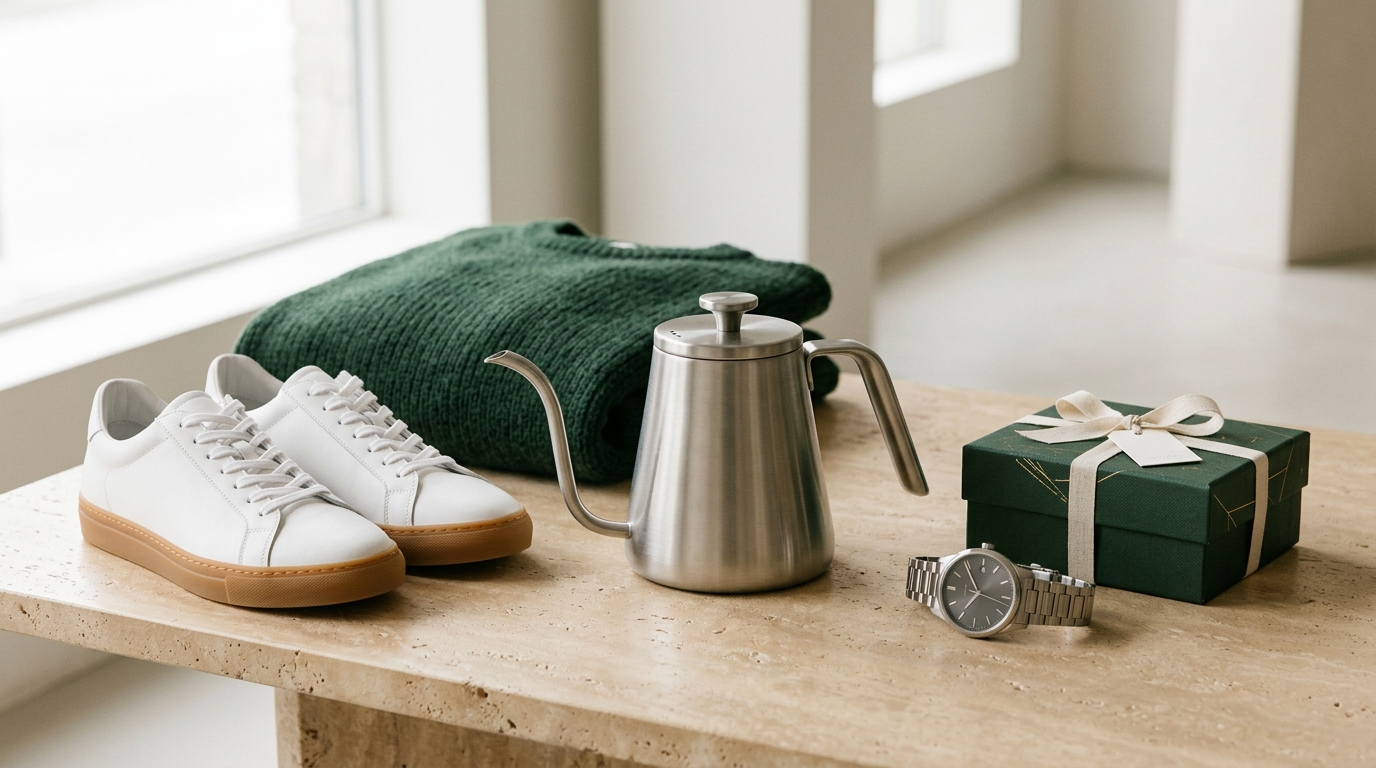
Heading into November 2026, two retail headlines hit households at once. First, US Commerce Department figures showed October retail growth slowing to 0.2%—with noticeable pullbacks across discretionary goods like clothing, footwear, cookware, and homeware as budgets felt stretched. Second, consumer backlash mounted over billions in court-ordered emergency tariff refunds returning to corporate importers while retail brands continued edging sticker prices upward.
When everyday durable goods cost more and fewer customs refunds trickle down to shoppers, replacing a cheap item twice hurts more than ever. That shift is pushing holiday buyers to look harder at what coats, boots, pans, luggage, watches, and tools are actually built from before paying.
Why Discretionary Durable Goods Felt the October Pullback
Unlike groceries or utilities, buying a winter coat, cookware set, carry-on suitcase, or home piece can wait a few months when prices jump. Across Q3 and early Q4 2026, retail chains across apparel, kitchenware, and home categories nudged prices higher by several percent or raised shipping thresholds to cover freight and remaining duties, cooling impulse upgrades.
Meanwhile, ProPublica and retail trade coverage sparked debate after major importers received multimillion-dollar customs refunds following court rulings striking down emergency duties—highlighting the contrast between retailers like Costco folding savings back into member prices and companies keeping margins intact.
Cost-Per-Year Math Beats Sale-Tag Chasing
Tight budgets don't always favor buying the cheapest option on sale. A $95 glued synthetic boot that splits at the sole in eighteen months costs over $60 a year—and goes straight to the landfill. A $320 Goodyear-welted full-grain leather boot that can be resoled for twelve years drops under $27 a year plus upkeep. The same math holds for a $45 flaking nonstick skillet versus a $195 clad stainless pan built for decades.
More buyers heading into late 2026 are applying that cost-per-year lens across every durable purchase: buying fewer items, demanding honest material specs, and avoiding disposable replacements.
Paying a fair price for heavy-gauge steel, pure wool knitwear, solid jewelry metals, or repairable boots isn't splurging during tight-budget years—it is avoiding paying twice.
Where Price Hikes Hide Quiet Quality Cuts
When manufacturing costs rise, not every brand raises prices cleanly—some keep sticker prices flat by quietly thinning out materials ('skimpflation'). Look closely at product specs across categories for common late-cycle shortcuts:
- Wool, cashmere, or linen apparel diluted quietly with higher percentages of acrylic, nylon, or polyester without lowering the tag.
- Stitched or welted footwear swapped for cemented soles disguised underneath decorative faux-stitching.
- Heavy multi-ply stainless cookware swapped for thinner single-layer pans or short-lived synthetic coatings.
- Shortened warranties, hollow zinc-alloy luggage or bag hardware, or discontinued spare parts buried in updated policies.
Checking Price-to-Value Independently
Our TruScore Price-to-Value pillar evaluates whether a product's retail price matches real physical materials and build engineering across durable consumer categories—rather than rewarding luxury markups on synthetic fillers or disposable shortcuts. Before placing major holiday orders, compare transparent brands in Explore Brands or review our verification standards.