60% of AI Shoppers Don't Name a Brand: How Side-by-Side Comparison Tables Choose Winners
Late-2026 studies show most AI shopping searches start without naming any brand at all—and assistants have swapped photo grids for side-by-side spec tables. Here is how those comparison charts pick winners, and how transparent online brands stand out.
Think about how people used to search Google: they often typed a famous store name plus the item they wanted. In 2026, retail research shows roughly 60% of AI shopping conversations begin without mentioning any brand name—with industry analysts projecting AI assistants will influence around 20% of holiday ecommerce traffic.
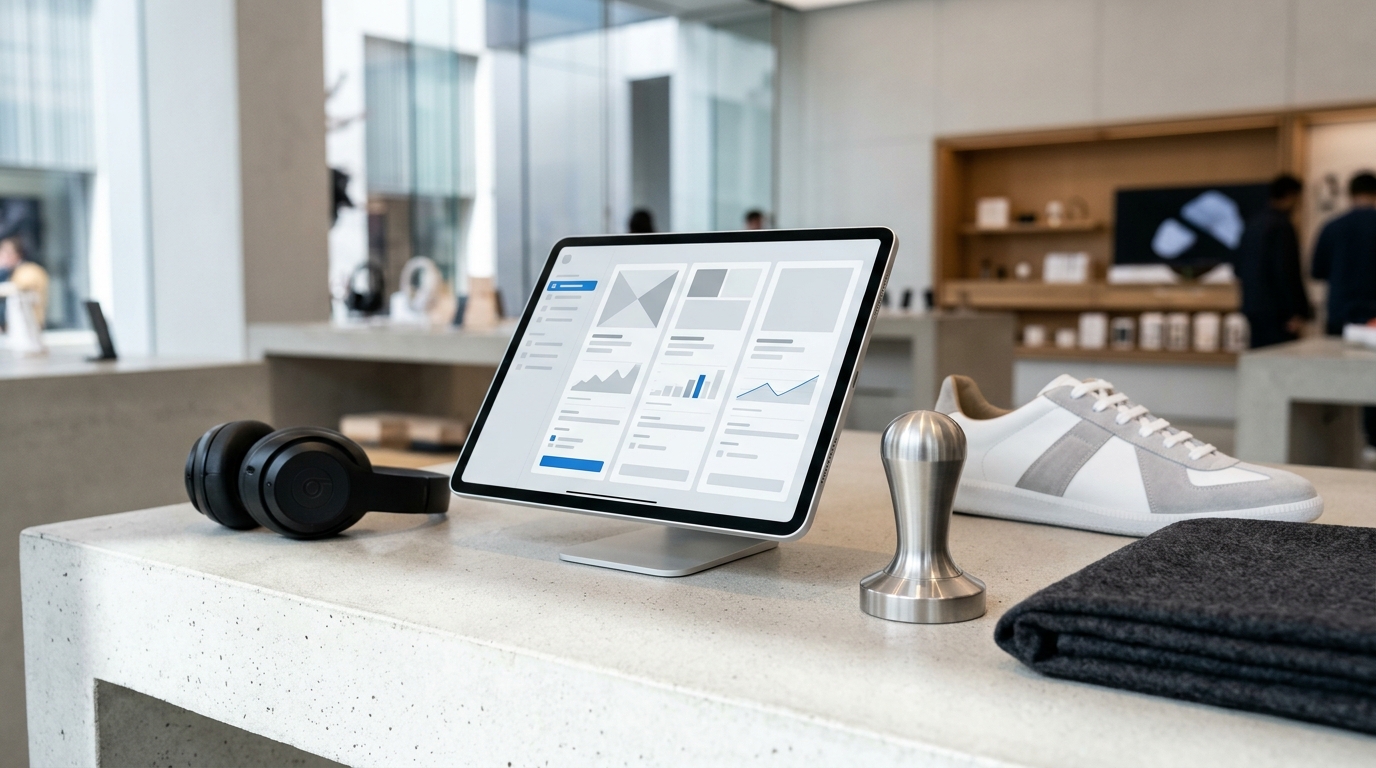
Instead of starting with ten blue links or generic photo carousels, ChatGPT, Gemini, and Perplexity now build dynamic side-by-side comparison tables directly inside the answer—putting challenger DTC stores and household retail giants on equal rows for shoppers to weigh in seconds.
The Shift From Carousels to Spec-Driven Comparison Tables
When someone asks for the 'best durable carry-on duffel under $400', a '100% merino crewneck sweater', or an 'heirloom cast-iron Dutch oven,' an AI shopping engine constructs rows comparing capacity, materials, weight, origin, warranty, and return window side by side.
In a photo grid, big advertising budgets buy polish and mood lighting. In a structured spec table, blank cells jump right off the screen—exposing vague claims immediately.
Why Challenger Quality Brands Win Unbranded Searches
Unbranded searches level an unfair playing field. A focused footwear brand, knitwear label, or specialty cookware company rarely outspends giant conglomerates on search ads. Yet when an AI assistant builds a durability comparison table, verifiable facts carry the spotlight:
- Clear material purity beats 'proprietary blend'—especially when tables compare fabric fiber percentages, leather grades, metal gauge, or stainless ply count.
- Long, specific warranties stand out next to vague 90-day limited policies.
- Named factories and manufacturing cities fill out Origin cells where anonymous resellers show gaps.
On an AI comparison table, every undisclosed spec becomes an empty or vague cell—making complete, honest disclosures your strongest organic differentiator.
Helping AI Tables (and Shoppers) Read Your Products Accurately
You don't need an enterprise engineering team to show up cleanly in comparison tables. Put plain-English spec lists near the top of every product page, keep pricing and GTINs consistent across merchant feeds, and connect third-party evidence where shoppers look for outside verification.
Using our Quality Widget alongside a claimed listing in Explore Brands gives both human comparison-shoppers and search crawlers clear five-pillar TruScore ratings—free to start on our Basics ($0) plan.