LFGB Food-Contact Compliance (§30 & §31) (LFGB)
Europe’s strictest food-contact chemical and sensory migration standard, testing ceramic glazes, enamels, and silicone cookware for heavy metals, plasticizers, and odor transfer.
What LFGB Verifies & Guarantees
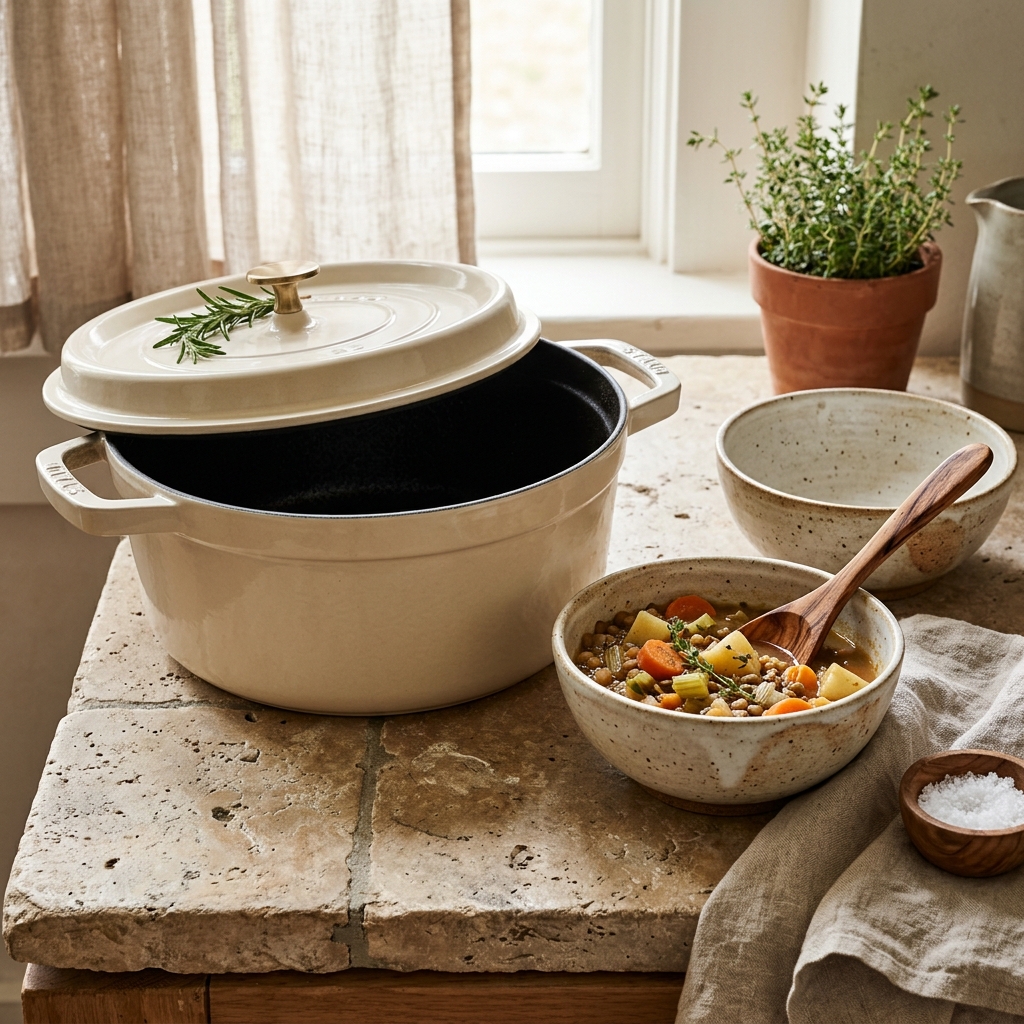
LFGB—the German Lebensmittel-, Bedarfsgegenstände- und Futtermittelgesetzbuch—is widely recognized as Europe’s most stringent legal and laboratory standard for materials intended to contact food. Going significantly beyond baseline U.S. FDA thresholds, LFGB Sections 30 and 31 require destructive migration testing using harsh acidic, alcoholic, and fatty food simulants held at elevated cooking temperatures. Accredited European laboratories such as TÜV Rheinland, SGS, or Eurofins measure trace leaching of lead, cadmium, cobalt, nickel, primary aromatic amines, and volatile organic compounds down to ultra-low detection limits. Crucially, LFGB mandates an additional sensory evaluation panel confirming that silicone, rubber seals, or coated cookware transfer zero chemical taste or odor to food. For vitrified stoneware and porcelain-enameled cast iron, specialized rim-and-cavity acid tests ensure vibrant exterior and interior glazes lock heavy pigments permanently inside glass matrixes.
For culinary enthusiasts buying enameled Dutch ovens, artisanal stoneware plates, or flexible silicone baking mats, LFGB testing separates heirloom European-grade craft from risky budget imports. Uncertified ceramic glazes—especially bright reds, yellows, and oranges—can release trace lead or cadmium when holding hot coffee or acidic pasta sauce. Similarly, cheap peroxide-cured silicone often emits a sharp rubbery smell and leaves oily white streaks when pinched ("pinch test"), signaling volatile siloxane fillers that LFGB fails immediately. Selecting cookware and bakeware verified by LFGB-accredited labs confirms pure platinum-cured silicone or lead-free vitrified porcelain enamel. It offers the highest level of culinary peace of mind for families cooking daily meals at high heat.
Key Testing Protocols & Requirements
How independent labs and auditors evaluate compliance
Stricter Than Baseline Migration Limits
Applies tighter parts-per-million thresholds and prolonged high-temperature extractions than minimum baseline regulations.
Sensory Taste & Odor Panel
Independently verifies that cookware, gaskets, and silicone tools do not taint food flavor even when baked.
Accredited Third-Party Lab Reports
Verified via formal test reports from accredited European testing bodies such as TÜV, SGS, or Intertek.
How the TruCrafters Engine Evaluates LFGB
How our quality engine incorporates this standard to evaluate materials, build integrity, and brand transparency
TruCrafters uses LFGB compliance benchmarks when evaluating enameled cast iron Dutch ovens, ceramic cookware, stoneware, and platinum silicone bakeware. Our engine looks for third-party LFGB or Prop 65 non-leaching test disclosures to verify glaze purity.
This shields home cooks from lead- or cadmium-tainted ceramic glazes and low-grade silicone fillers, steering them toward clean, heirloom-grade kitchenware.
Consumer Verification Guide
How to spot genuine certified labels and avoid misleading claims