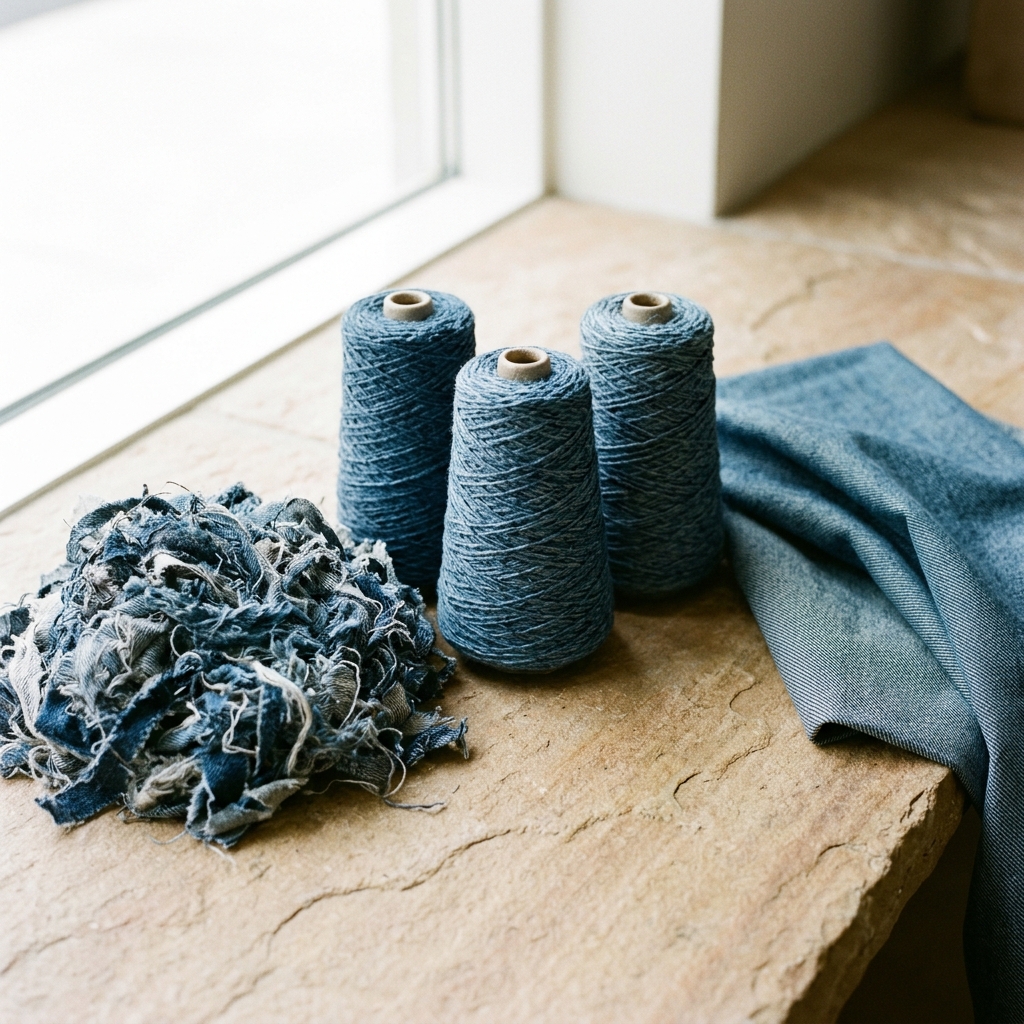
Global Recycled Standard (GRS)
A full product-level standard verifying genuine post-consumer or pre-consumer recycled material content alongside strict chemical restrictions, environmental controls, and social accountability.
What GRS Verifies & Guarantees
The Global Recycled Standard is an international, full-product standard designed to verify authentic recycled material content across complex textile, footwear, and consumer-goods supply chains. Unlike unverified "made from ocean plastic" claims, GRS requires certified products to contain a minimum of fifty percent independently audited pre-consumer or post-consumer recycled material tracked via Transaction Certificates from recycler to finished brand. Beyond fiber accounting, GRS imposes rigorous facility audits covering energy consumption, industrial water treatment, and emissions at every processing stage. The standard also enforces strict chemical restrictions modeled on ZDHC guidelines, banning toxic dyes, heavy metals, and hazardous finishing agents from recycled inputs. Every participating factory is additionally inspected against International Labour Organization (ILO) social standards covering wages, working hours, and workplace safety.
For shoppers choosing weatherproof shells, recycled cashmere sweaters, or luggage liners, GRS separates genuine closed-loop engineering from greenwashed virgin-plastic blends. Unaudited "recycled" claims frequently involve tiny token percentages mixed with virgin polyester or low-grade regrind that wears out prematurely. A GRS certification verifies both the exact percentage of reclaimed input—such as discarded fishing nets turned into high-tenacity nylon—and the chemical safety of the finished weave. It guarantees that workers sorting and reprocessing reclaimed textiles operate in safe, properly ventilated facilities. Buying GRS-certified technical gear lets consumers verify true material circularity backed by physical documentation.
Key Testing Protocols & Requirements
How independent labs and auditors evaluate compliance
Verified Reclaimed Input Accounting
Tracks physical mass-balance receipts from material recyclers through spinning and weaving so virgin inputs cannot substitute.
Chemical & Dye Safety Screening
Prohibits hazardous Substances of Very High Concern (SVHCs) during fiber reprocessing and dyeing.
Social & Environmental Facility Audits
Requires annual third-party inspections for worker rights, effluent treatment, and facility safety.
How the TruCrafters Engine Evaluates GRS
How our quality engine incorporates this standard to evaluate materials, build integrity, and brand transparency
TruCrafters applies GRS criteria whenever brands highlight recycled nylon, recycled polyester, or regenerated wool/cashmere. Our engine verifies GRS status alongside fabric denier and weave strength to confirm reclaimed materials match virgin durability.
This stops misleading "recycled" tokenism and highlights technical outerwear, bags, and recycled knits backed by auditable supply-chain receipts.
Consumer Verification Guide
How to spot genuine certified labels and avoid misleading claims