OEKO-TEX® Standard 100 (OEKO-TEX 100)
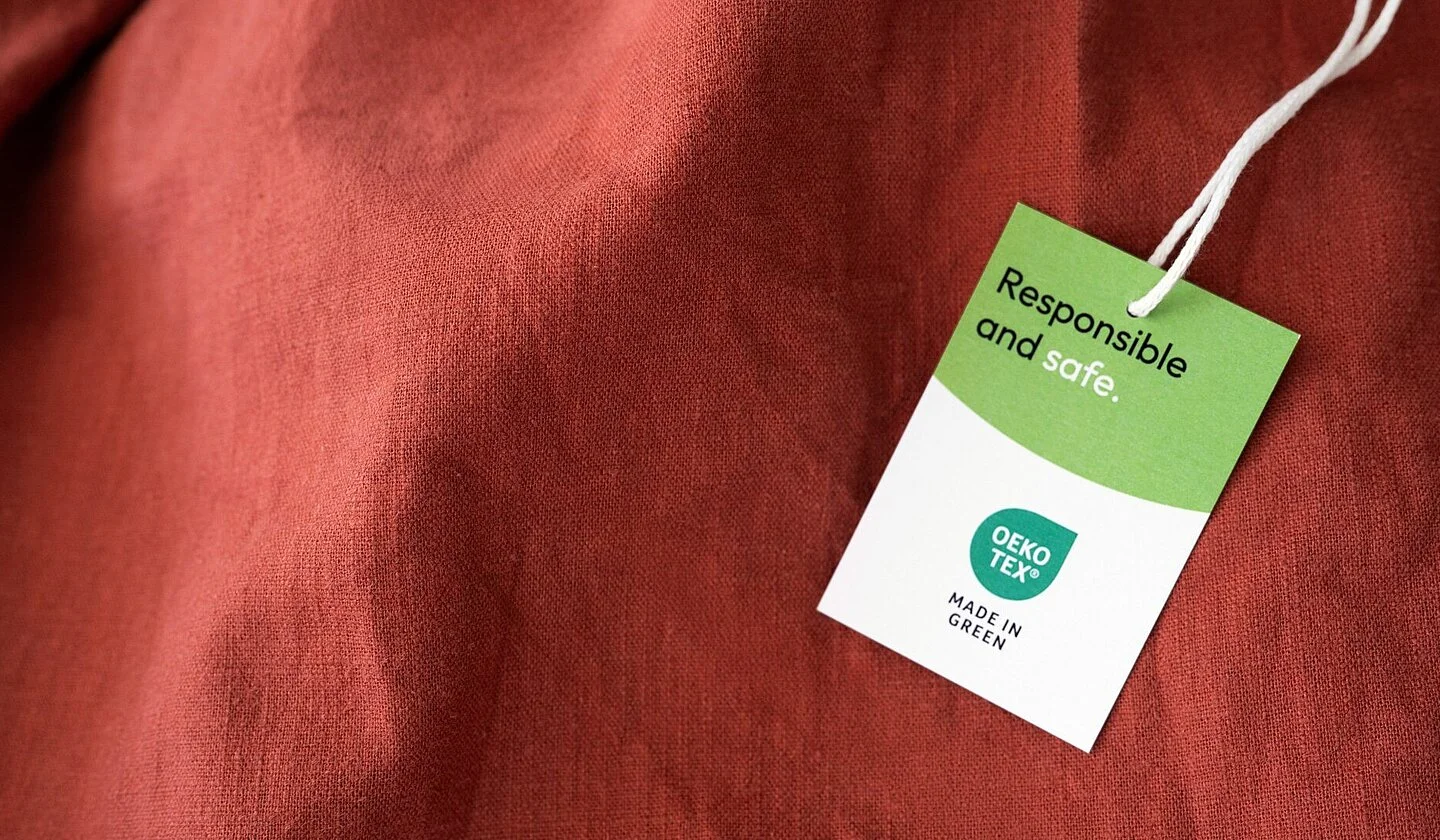
Learn how TruCrafters evaluates OEKO-TEX® Standard 100 (OEKO-TEX 100). Testing protocols, verification tips, and how it impacts craft quality scores.
OEKO-TEX® Standard 100 (OEKO-TEX 100)
A globally uniform, independent testing and certification system that tests every single component of an article—including threads, buttons, zippers, linings, and surface prints—for harmful substances.
What OEKO-TEX 100 Verifies & Guarantees
OEKO-TEX® Standard 100 is an internationally recognized laboratory testing protocol that screens finished consumer goods for more than one thousand regulated and non-regulated harmful chemicals. Unlike standard factory assessments that only evaluate bulk fabric swatches, this protocol requires destructive chemical testing on every single sub-component of the article, including sewing threads, zippers, metallic rivets, plastic buttons, and internal foam interlinings. The testing catalogue goes far beyond standard statutory government requirements, incorporating international scientific research on toxicological thresholds, carcinogenic azo colorants, and heavy metal concentrations. Testing thresholds are scaled across four distinct product classes, with Class I for infant items under thirty-six months demanding the most stringent absolute zero-tolerance limits for skin irritants. Every certified manufacturer must submit sample lots annually to independent accredited testing institutes located across Europe and North America.
For discerning shoppers, the OEKO-TEX 100 label provides undeniable reassurance that the item will not off-gas toxic chemical fumes or trigger allergic skin reactions during daily use. It ensures that apparel, bedding, and upholstered home furnishings have been rigorously checked for carcinogenic dyes, volatile formaldehyde, chlorinated phenols, and harmful phthalate plasticizers. The standard also tests for skin-friendly neutral pH values and verifies that all colors are colorfast against natural human sweat and saliva to prevent chemical leaching into the bloodstream. When a brand carries this mark, consumers can be certain that neither the main fabric nor any concealed trim contains hidden toxic shortcuts. Because the testing database is updated every twelve months, the certification guarantees modern protection against emerging synthetic chemicals and industrial pollutants.
Key Testing Protocols & Requirements
How independent labs and auditors evaluate compliance
Component-Complete Testing
Unlike standards that test only bulk fabric, OEKO-TEX 100 mandates destructive lab tests on all sewing threads, interlinings, prints, labels, and metal hardware.
Dynamic Limit Values
Test criteria and limit values are updated annually based on scientific research and statutory chemical regulations (such as EU REACH Annex XVII).
Product Class Categorization
Thresholds scale by direct skin contact: Class I (Baby), Class II (Direct skin contact like bedding and shirts), Class III (No direct skin contact like jackets), Class IV (Furnishing accessories).
How the TruCrafters Engine Evaluates OEKO-TEX 100
TruCrafters utilizes the OEKO-TEX Standard 100 guidelines to evaluate chemical safety and non-toxic construction across home bedding, apparel, and upholstery. Our engine looks for verified OEKO-TEX certifications to confirm that fabrics, dyes, threads, and hardware meet rigorous consumer safety benchmarks.
By incorporating OEKO-TEX standards, the TruCrafters engine helps shoppers steer clear of products with hidden chemical finishes, irritating synthetic dyes, or toxic off-gassing, recognizing brands that invest in tested, skin-safe materials.
Consumer Verification Guide
- Ensure the tag includes both the OEKO-TEX Standard 100 label and the unique test number.
- Enter the certificate/test number into the OEKO-TEX Label Check online tool to confirm current validity.
- Check that the product description matches the certified article group (e.g. bedding vs apparel).